John Paul the Great Academy
Lafayette, Louisiana
“In the course of history, Christians have always walked to celebrate their faith in places that indicate a memory of the Lord or in sites representing important moments in the history of the Church. They have come to shrines honoring the Mother of God and to those that keep the example of the saints alive. Their pilgrimage was a process of conversion, a yearning for intimacy with God and a trusting plea for their material needs. For the Church, pilgrimages, in all their multiple aspects, have always been a gift of grace.” – Pope St. John Paul II, The Pilgrimage in the Great Jubilee (1998)
The Upper School Pilgrimage Program is an approach to student formation that is unique to John Paul the Great Academy. A pilgrimage is a journey to a sacred destination, undertaken as penance or in pursuit of a more profound conversion. This practice is deeply rooted in Judeo-Christian history. The faithful have always gone on pilgrimages because the difficulties of the journey convert our hearts and call us to become more vibrant witnesses of our faith.
Class pilgrimages have become an integral part of Upper School student life at JPG. Inspired by John Paul II, who as a priest and professor used to take young people kayaking and camping in order to teach them about the Faith in a relaxed setting, we bring students outside the classroom to have powerful, personal encounters with Jesus. In 2014, we inaugurated the Junior Pilgrimage to Rome when teachers accompanied a dozen juniors to the canonization of our patron, Pope St. John Paul II, on Divine Mercy Sunday. After the success of that trip, pilgrimages for the other grades were added in the years that followed.
The overall goal of bringing our students on pilgrimage has three dimensions, which we can liken to the three charisms of JPG (Faith, Truth, and Virtue):
- Conversion (Fides/Faith Formation) – We want to give students a unique opportunity to meet Jesus Christ and to grow in a personal relationship with Him. The change of scenery from the classroom to the mountains, the Vatican, a soup kitchen, or a retreat center helps to facilitate this encounter. The pilgrimages for juniors and seniors are particularly designed to support our upperclassmen in leadership and discernment of their God-given vocation. This personal conversion is the most important goal of pilgrimage for all our students.
- Education (Veritas/Intellectual Formation) – Some lessons and concepts, like finding God in nature, being part of the universal Church, serving Christ in the poor, or asking the intercession of a saint, only become real when they are made tangible outside the classroom. (There is nothing like having Mass in the Rocky Mountains, or praying with the Holy Father in St. Peter’s Square with thousands of other Catholics speaking dozens of languages!) The entire JPG Pilgrimage Program is designed to make what students have learned in their classes come alive. Pilgrimage is the curricular experience for all Upper School students in the last week of the first academic quarter, so no Upper School classes occur that week on campus. Instead, our students are encountering God on pilgrimage with their class.
- Community (Virtus/Character Formation) – Finally, pilgrimage is meant to help students grow in relationships with their teachers and in friendship with their classmates. Mentorship from adults who joyfully live out the Catholic Faith and the presence of healthy peer friendships in a child’s life are two things that greatly increase the chances that he or she will continue to practice the Faith after we send them out into the world.
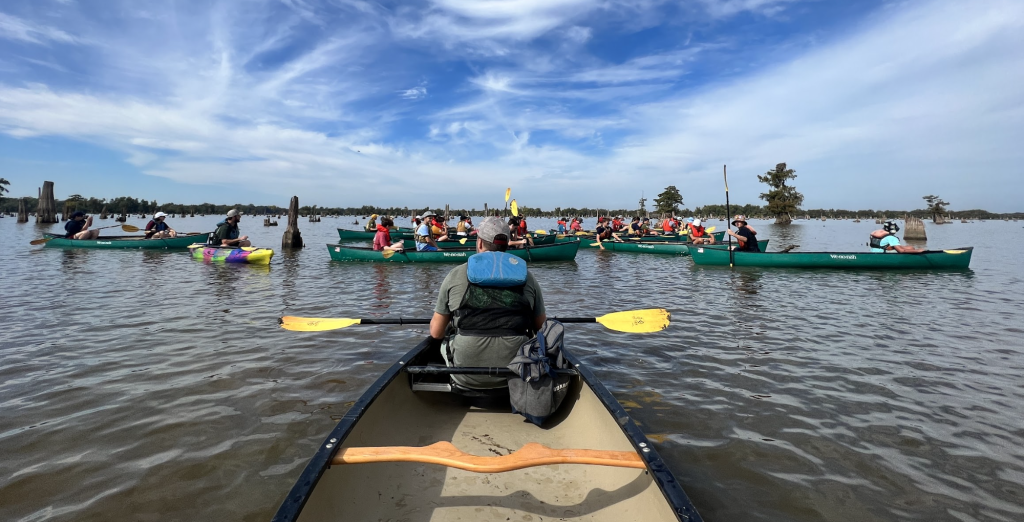
Our 7th and 8th graders participate in local retreats, field trips, and outdoor excursions that focus on the themes of friendship with Christ and with one another. Their experience of pilgrimage begins with an emphasis on the ways that God has revealed Himself in a particular way to the people of Acadiana, the region of Southwest Louisiana that we call home. They spend a day with a local religious order, the Community of Jesus Crucified, and visit holy sites associated with the lives of three open local causes for canonization: Charlene Richard, Auguste “Nonco” Pelafigue, and Fr. Joseph Verbis LaFleur. The freshmen visit St. Joseph Seminary and Abbey Church a bit further afield, where at Camp Abbey they are introduced to our patron’s Theology of the Body teachings at a four-day retreat. The sophomore class seek the face of Jesus in those in need as they volunteer in work projects in the Houma-Thibodaux area and visit the National Shrine of Blessed Francis Xavier Seelos in New Orleans.
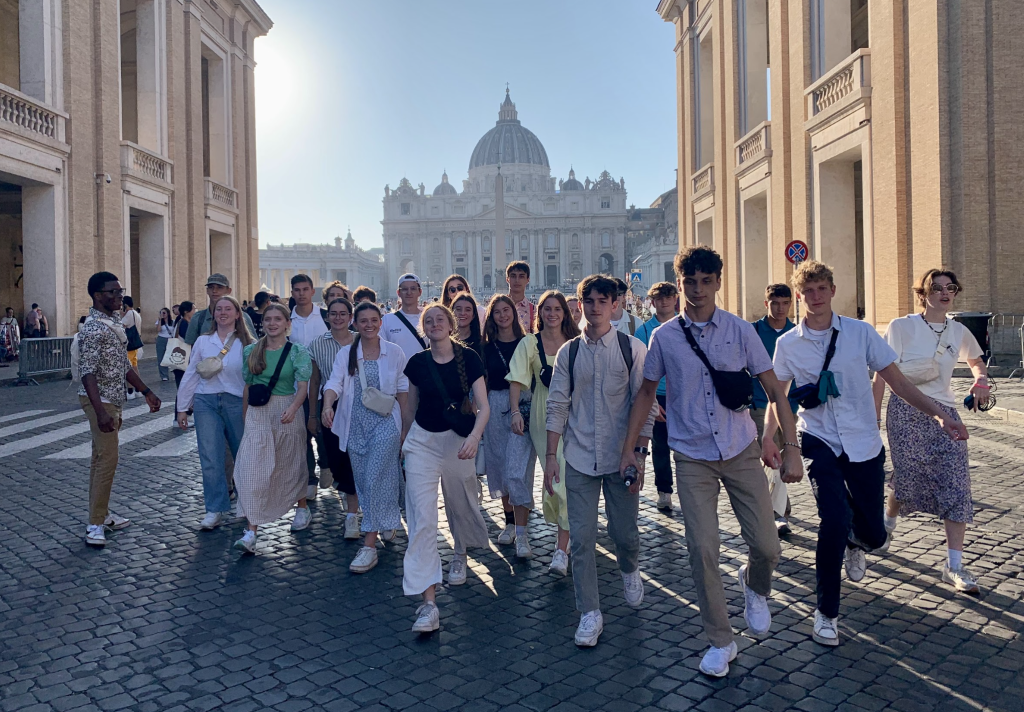
Our juniors travel to Italy to visit ancient ruins like the Roman Forum, to admire priceless works of art like the Sistine Chapel, and to pray at the tombs of saints like St. John Paul II, St. Francis and St. Clare, St. Peter, and Bl. Carlo Acutis. Each year’s Rome pilgrimage includes special graces, as on one recent pilgrimage when the group was able to visit the private rooms and chapel of St. Ignatius of Loyola accompanied by a Jesuit seminarian from Baton Rouge. To see the chapel where Ignatius prayed, the desk where he wrote many of his letters, and the place where he died was unbelievably special.
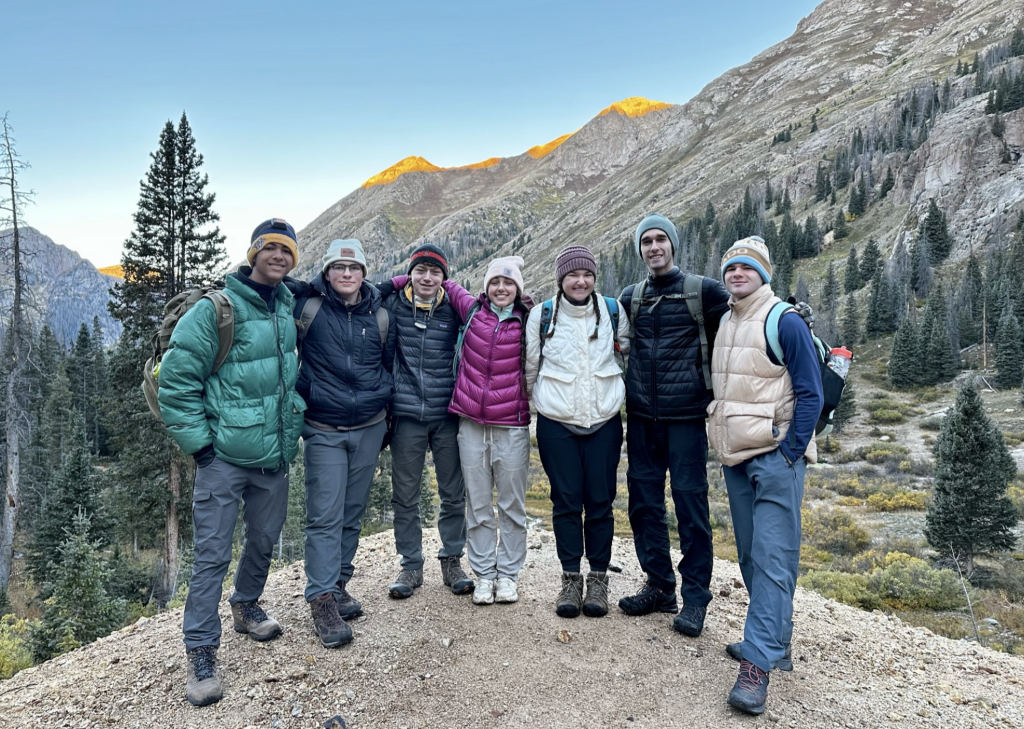
Finally, in their culminating pilgrimage experience, our seniors travel to the Rocky Mountains of Colorado, where they experience the breathtaking beauty of God’s creation while testing their physical and emotional limits. They take turns in pairs leading the day’s hike and support their peers as they follow the voice of Christ “to the heights.”
Pilgrimage Week normally falls at the beginning of October. An important final component of the experience is that the students come together on our patron’s feast day, and representatives from each class share their experience with the larger school community to witness to the fruits of each pilgrimage. Our prayer each year is that the students have a real experience of Jesus Christ, inspired by the words of John Paul II in his 1985 Apostolic Letter to Youth: “It is also my hope that […] you will experience what the Gospel means when it says: ‘Jesus, looking upon him, loved him.’ May you experience a look like that! May you experience the truth that he, Christ, looks upon you with love!”